Bubble fears prompt foreign ownership limits
A dramatic house price fall of 20% in the mid-market and 5% to 10% in the top of the market took place during the second half of 2005 in several cities in China, following the implementation of several government measures to curb speculation in the housing market.
The rules limit foreign ownership of investment property. Only foreigners who have worked or studied in China for at least a year are allowed to buy a home.
In addition foreigners cannot be landlords. Property ownership for investment by foreign companies and individuals is effectively prohibited. Exempted from these restrictions are Chinese living overseas and residents of Hong Kong and Macau.
Foreigners are still welcome in the real estate industry but only as developers.
Massive housing boom
China is currently experiencing a massive housing boom. Huge housing complexes with hundreds of thousands of new units have sprouted in or near major cities, intended for the rapidly rising middle class.
Adding to the boom, the entry of foreign developers from Singapore, Hong Kong, Taiwan, US and Europe has greatly increased housing supply. Because of this, the Chinese authorities have worried that an oversupply would lead to a crisis similar to the Asian Crisis in Hong Kong, Singapore and Indonesia. And indeed the rapid fall of house prices in Beijing from 1997-2000 was due to overbuilding.
The government adopted eight measures including the introduction of a property business tax and stricter control over land supply. If property is held for less than two years, sellers have to pay a 5% business tax on the total transaction price. If held for more than two years, the seller has to pay a tax on the capital gains only, typically 5%. The deed tax has also been raised from 1.5% to 3%.
The People’s Bank of China also raised the mortgage rate by 20 basis points to 5.51% in March 2005. And henceforth a seller must pay off his entire mortgage, before he sells his property.
Bubble trouble
Are the authorities right to be worried about a housing bubble?
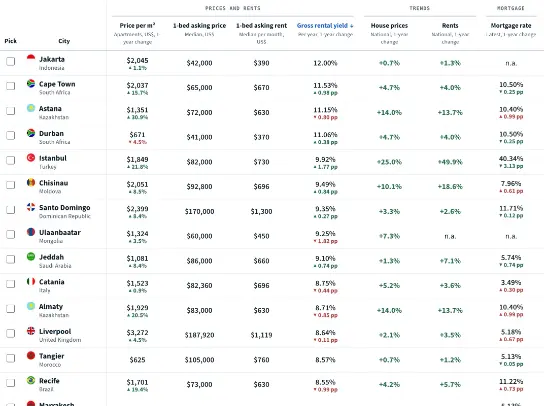
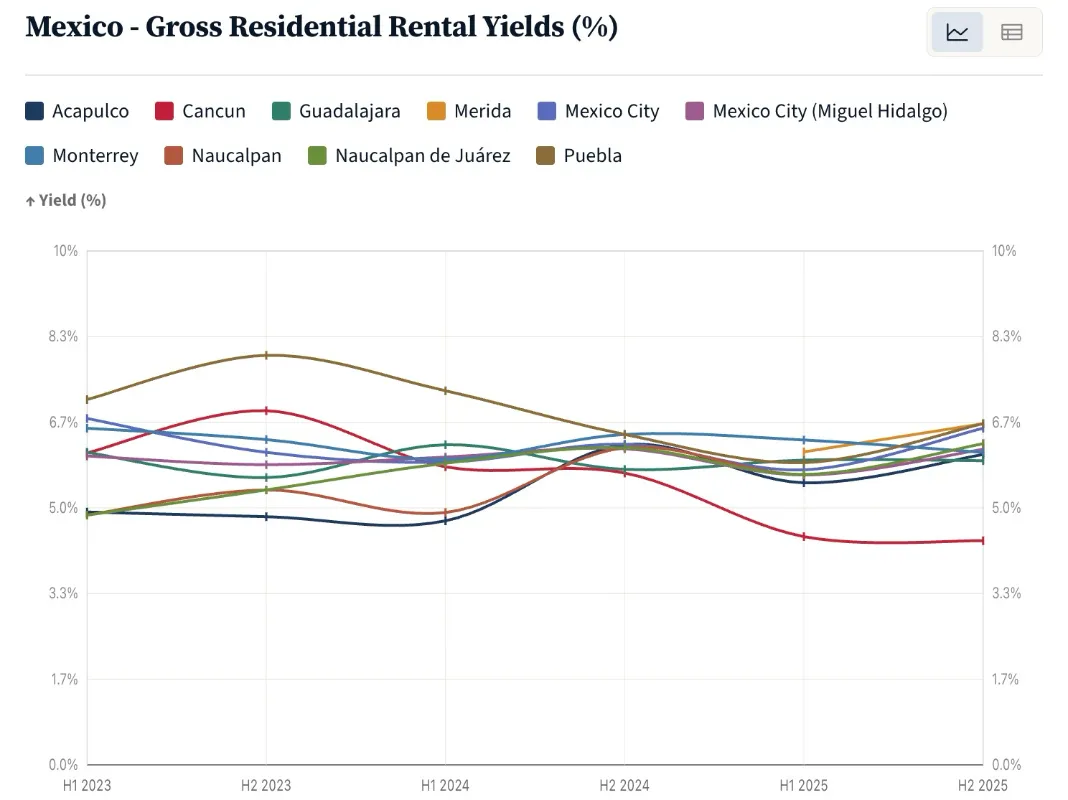
No. Not with yields at 9.5% in Beijing and 6% in Shanghai. Those are not bubble numbers. A bubble is usually marked by unusual, rapid, and irrational increase in house prices. But in China, house prices are rising at about the same pace as the economy.
While there is speculation involved, the growth is supported by strong fundamentals. House prices have not irrationally outpaced rents, as shown by the fact that yields are still reasonable.
Combined with the rapid growth of the economy, foreign demand pushed residential prices in Shanghai up by 58% between 2000 and 2005. Shanghai rents have also been rising since 2000, with rapid acceleration in 2001 and 2002. Rents then stabilized in 2003 and 2004, and then surged again in 2005.
From 2000 to 2005 rents in prime properties in Shanghai rose by almost 30%. The vacancy rate has dropped from 15% in 2002 to 11.4% in 2005, though it is expected that vacancy rates might climb to 15.3% in 2006.
Beijing 2008
Beijing’s development has been remarkably different. The opening of the market in August 2002 actually caused a decline in rentals. Developers, anticipating a surge in demand, built more units on top of the existing excess supply dating from the 1997 crash. Result: between 1995 and 2005 rents in luxury units in Beijing fell by about 60%.
Yet Beijing rental yields are still very high (though down from their previous extraordinary levels). As a result, between 2000 and 2005 prime residential prices have actually increased by 10%. It is true that vacancy rates are now creeping up, from 18.4% in 2002, to 25% in 2005, and are expected to rise further in 2006 to 31%.
However, some are still optimistic about the rental market, in anticipation of the 2008 Beijing Olympics.
Too much intervention in the market, and especially restrictions on supply amidst strong demand, could lead to the very crisis the government is trying to prevent. The government should keep its hands off!